

What Greater Transparency Means for Social Housing Compliance
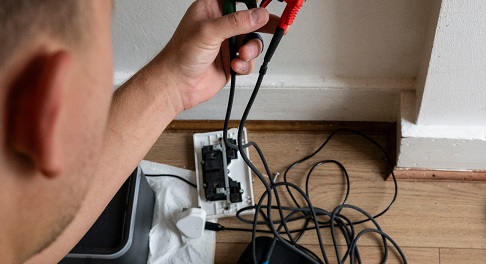
This month, the Electrical Safety Tenant Satisfaction Measure (TSM) came into effect, requiring social landlords to report and publish the percentage of homes where all required electrical safety checks have been completed and recorded.
At first glance, this may appear to be another reporting requirement. In reality, it reflects a wider shift across the housing sector. Compliance performance is becoming more visible, more measurable and more closely linked to resident trust.
For residents, this transparency matters. Electrical safety checks are not simply a technical requirement, they are about confidence in the safety of the home, reassurance that risks are being managed, and trust that landlords and their partners are taking their responsibilities seriously.
For housing providers, electrical safety has always been a critical responsibility. What is changing is the level of transparency around it. Tenants, regulators and stakeholders will now have clearer insight into whether safety checks are being completed and properly recorded. This places greater emphasis not only on delivery, but also on quality, assurance and the ability to evidence performance.
For United Infrastructure, this change reinforces the importance of the work already being delivered. Electrical safety programmes require careful planning, accurate certification, effective access strategies, timely remedial works and clear reporting processes that can stand up to scrutiny.
United Infrastructure supports through a competent in-house electrical division, giving clients consistent quality, accountability and direct control over delivery. This capability is strengthened by our partnership with Total Mobile, a global field management software to improve efficiency and streamline live reporting on ongoing compliance works.
Fully adaptable to client requirements, the app provides a tailored solution for each project, helping to improve transparency, accountability and performance. By supporting live reporting and maintaining a clear golden thread of information, it enables clients to access more reliable data, evidence progress and manage compliance activity with greater confidence.
Matt McDonough, Divisional Director for United Infrastructure’s in-house Electrical Division, commented: “The new electrical safety reporting requirements reflect a growing focus not only on compliance, but on transparency and accountability. We employ local people, trained to work within their communities, and support them with digital field management technology that gives our client partners the insight to make informed asset decisions and the evidence they need to demonstrate regulatory compliance. Just as importantly, these measures help ensure residents can be confident that their homes’ electrical systems are safe, fully tested, and compliant with current standards. We are proud to make a tangible difference in the communities we serve.”
United Infrastructure has extensive experience supporting housing providers with EICR inspections, remedial works and ongoing compliance across a wide range of domestic properties, including both occupied and empty homes. Over the past five years, we have completed over 50,000 EICR inspections.
Behind those figures are residents, households and communities relying on safe, well-managed homes. That is why the quality of delivery matters. Effective compliance programmes help reduce risk, minimise disruption, improve communication and give residents greater confidence that their homes are being looked after properly.
For United Infrastructure, the new TSM also provides a useful lens for the business. It validates the importance of investing in the capabilities that housing providers will increasingly need – skilled electrical teams, quality assurance, programme management, resident engagement and technology that supports accurate, transparent reporting. These are not just operational strengths, they are becoming central to how landlords demonstrate safety, build confidence and support communities.
As expectations continue to evolve, collaboration between client and contractor partners has never been more important in delivering safer homes, greater confidence for residents and stronger outcomes for local communities.