

5 Ways to Speed Up Material Handling Without Compromising Safety
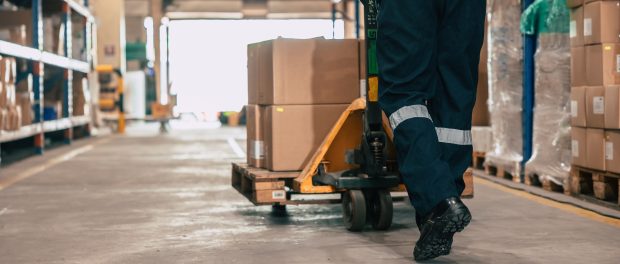
One of the biggest challenges that warehouses, manufacturing and logistics sectors face in their workflow is the precise balance between speed and safety when handling goods. Inefficient processes can reduce productivity, increase operational costs and negatively affect staff wellbeing.
The right combination of equipment, layout and operational procedures can help businesses move materials quickly while supporting a safer, compliant and more productive workplace.
Why Speed and Safety Must Work Together
Many businesses will assume that increasing speed in operations automatically leads to higher risk and errors, but this is more often than not a misconception. In reality, poorly designed processes and inadequate handling or production systems will slow operations down through accidents, injuries and unplanned downtime. When workers are not properly supported, productivity suffers and the total operation cost will rise.
In the UK, organisations must also adhere to the expectations of the Health and Safety Executive and the other wider legal responsibilities to protect employees. A balanced approach ensures that efficiency improvements do not compromise safety standards. By integrating safe working practices, companies can achieve faster throughput while maintaining compliance, reducing incidents and improving overall operational performance consistently.
1. Invest in the Right Lifting Equipment
Choosing the right lifting equipment is one of the most effective ways to improve both speed and safety in material handling environments. Tools such as pallet trucks, hoists, lifting beams and a variety of other powered systems reduce the need for manual lifting and streamline repetitive tasks. Selecting equipment based on load type, weight and frequency of use ensures optimal performance and reduces strain on workers.
For heavier or repetitive lifting tasks, a solid lifting equipment solution example would be an electric chain hoist which provides a highly efficient powered solution that improves cycle times and precision. Investing in suitable equipment helps businesses increase productivity, minimise injury risk and maintain consistent operational standards across workflows.
2. Optimise Warehouse Layout and Workflow
An inefficient warehouse layout can significantly slow down operations by increasing unnecessary movement and handling time. Optimising storage zones, creating clear pathways and reducing travel distances all contribute to faster and safer workflows. Logical organisation ensures that frequently used items are stored in accessible locations, while vertical storage systems and efficient racking maximise available space. These improvements reduce physical strain on workers and improve overall throughput.
A planned layout is another crucial step that also supports better inter-personal communication and reduces congestion in busy work areas. By designing workflows with efficiency in mind, businesses can achieve smoother operations, fewer delays and improved safety outcomes throughout the facility.
3. Improve Operator Training and Handling Procedures
As the old saying goes, practice makes perfect. This is true with manual handling operations in the workplace too, as effective operator training is an essential component for both safe and efficient material handling.
Well-trained staff understand proper lifting techniques, safe equipment usage and how to identify potential hazards in the workplace before they get any worse. Standard operating procedures ensure consistency across teams and reduce the likelihood of errors. Training also builds confidence among employees, enabling them to work more efficiently and safely.
Regular refresher sessions will also go a long way in helping reinforce best practices and keep safety knowledge up to date. By investing in comprehensive training programmes and sessions, businesses can reduce accidents, improve productivity and create a more competent workforce capable of handling materials effectively in a range of operational environments.
4. Carry Out Regular Maintenance and Equipment Checks
Once you have selected the equipment, optimised your workspaces and trained your staff, you will then need to ensure that newly implemented lifting equipment remains in optimal condition for its continued usage and operational needs. This is where regular maintenance and equipment checks become crucial, as poorly maintained solutions can start to increase operational downtime, slow down your workflow and create a litany of unwarranted safety issues.
Implementing and sticking to structured servicing schedules, routine checks and clear defect reporting procedures, will help to identify issues early and before they get a chance to escalate. Preventative maintenance reduces unexpected breakdowns and ensures equipment operates at optimal performance levels. All of which supports compliance with manufacturer guidelines and safety regulations.
5. Use the Right Equipment for the Right Task
If you or your workforce starts to use the wrong equipment or something that isn’t specialised to your exact needs, then there is a far higher chance that you will start to experience inefficiencies in working practices, delays across tasks and higher safety risks. Matching the equipment to your specific needs, load requirements, availability of space, frequency of use and operating environment will mitigate these issues.
Selecting specific equipment will also mean that you can account for the future scalability of your company and operations. These specialised tools will help speed material handling up, reduce the strain on your workers and a whole host of other benefits, while being able to adjust to rising demands or seasonal lulls.
The Role of Electric Lifting Solutions in Modern Operations
Electric lifting solutions are a modern solution that is becoming increasingly important in any material handling environment. This is due to their innate ability to reduce manual strain and improve consistency in repetitive tasks. Electric chain hoists, in particular, offer precise control and efficient lifting for manufacturing, warehousing and even assembly operations. These material handling systems help improve project times, reduce operator fatigue and enhance the overall productivity of the workplace.
By minimising manual handling, they also contribute to safer working conditions and lower the risk of injury. Businesses that adopt powered lifting technologies can achieve reliable workflows and operational performance. Reviewing existing processes and upgrading equipment necessary ensures long-term efficiency gains, downtime reductions and safety improvements.