

The Cheapest Building to Build Is Rarely the Cheapest to Run
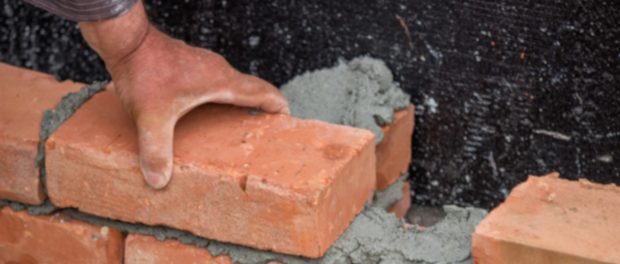
Cost pressure at the design stage is relentless with value engineers scrutinising every specification and commercial teams pushing for the lowest-cost envelope solution. Contractors bid aggressively, sometimes cutting corners on material quality and workmanship. The pressure makes sense: build cheaper, deliver faster, improve margins. However, the uncomfortable truth is what no one in the industry likes to admit. The cheapest building to construct almost always becomes the most expensive to operate.
The maintenance profile is locked at handover
The maths are unforgiving. A building’s maintenance profile is locked in at handover. Poor envelope performance, undersized insulation, cheap roofing membranes, inadequate structural detail, and undersized services cannot be easily reversed once occupancy begins. As recently highlighted, work on construction procurement demonstrates that awarding contracts to the lowest bidder creates a “race to the bottom”, prioritising cost over reliability and quality. The consequences ripple through decades.
A flat roof specified with the thinnest acceptable membrane will fail sooner than a properly installed specification. HVAC systems undersized to meet lowest-cost thresholds will struggle in peak conditions, driving emergency repairs and energy waste. Structural design that cuts it fine on loading calculations leaves no margin for settling, water ingress, or the stresses that real buildings accumulate over time. These inherited problems do not improve with age.
Managing the handover reality
Once a building is handed over, the real bill begins. Asset managers inherit the consequences. Tenants and end-users pay through failed systems, emergency breakdowns, and rising maintenance costs that nobody budgeted for. A property owner who accepted the cheapest build option is now managing decades of operational consequences.
This is where disciplined building owners take control. For those managing buildings after handover, the question is no longer whether to plan maintenance. It’s whether to do it proactively or reactively. Buildings designed or constructed with cost-cutting corners demand disciplined, budgeted maintenance work.
Structured PPM surveys turn inherited poor design into manageable cost centres rather than budget-destroying surprises. Bradley-Mason, for example, works with property owners across the UK to codify building conditions into costed maintenance schedules spanning 5 to 20 years, transforming those difficult handover realities into predictable operational costs. This acknowledgment of reality is powerful. You cannot change what was built, but you can take control of how you manage it going forward. Subsidence risk analysis demonstrates that reactive approaches to building failures are expensive and disruptive, while proactive planning provides the antidote.
Design decisions and the false economy
It matters because upfront choices about build quality determine maintenance burden for the next 20 years or more. The RICS guidance on lifecycle costing demonstrates that true building value must account for the full operational life, not just construction cost. UK Building Regulations Approved Document A sets structural design standards precisely because poor structural decisions become catastrophically expensive later.
Building Regulations exist for a reason. They encode the principle that corners cut at design stage become liabilities in operation.
The implications for architects, specifiers, contractors, and developers are clear. Yes, cost discipline is essential, but confusing lowest price with best value is a false economy. Specification decisions about the building envelope, roof systems, structural design, and mechanical services are where lifecycle costs are truly decided.
A contractor who saves £50,000 on roof specification but costs the asset owner £500,000 in premature failure and emergency repairs over 15 years has not delivered value. The arithmetic is simple, and it repeats across thousands of buildings.
The long game
The cheapest building to build wins on day one. The cheapest building to run wins for the next 25 years. Construction professionals who understand this distinction make better decisions at the design stage. Asset managers who embrace planned maintenance take control of costs nobody else can change. And building owners who demand both quality at design stage and disciplined maintenance through the operational life stop paying twice for the same problem.
The competitive advantage belongs to those who think beyond the ribbon-cutting ceremony.