
Infrastructure metal theft in West Midlands rises 15% as construction industry warned of costly disruption
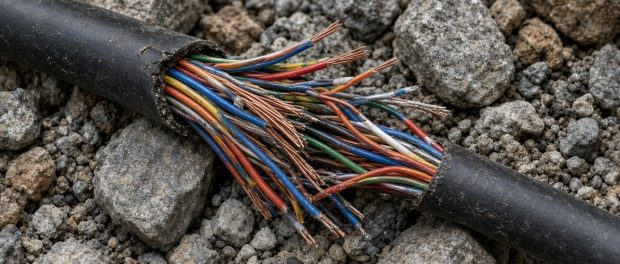
Experts to examine how thefts of copper, cabling and critical equipment can cause disproportionate financial losses, and what organisations can do to reduce the risk.
Thefts of metal from railways, power and telecommunications networks increased by 15% across England and Wales in the year to March 2026, according to Office for National Statistics figures published on 22 October. In the West Midlands Police area, the increase was 66%.
The figures highlight the risks associated with copper and cabling theft, particularly where the loss of relatively inexpensive materials can disable essential infrastructure and lead to substantial repair costs and disruption.
In South Wales, two cable thefts on the Core Valley Lines railway network resulted in repair costs exceeding £750,000, before the wider costs of disrupted passenger services were taken into account.
A new research paper, The Cost of Darkness: When Copper Theft Becomes Business Disruption, argues that organisations responsible for construction sites, infrastructure projects and operational assets need to consider the potential consequences of equipment failure, rather than simply the scrap value of stolen materials.
The Cost of Darkness: When Copper Theft Becomes Business Disruption, argues that organisations are often measuring the wrong risk: the scrap value of stolen metal rather than the operational and financial consequences of its removal.
The paper highlights cases including:
- £2,000 of stolen cable, more than £750,000 in repairs: two thefts on the Core Valley Lines railway network in South Wales caused widespread disruption, with repair costs exceeding £750,000 before passenger delays were included.
- £220,000 lost by businesses that weren’t even targeted: thefts of copper earthing strips from electricity substations in East Kent caused substantial losses to nearby businesses.
- £25 of copper, £1,000 to replace: a single stolen rapid EV charging cable can cost an operator around 40 times its scrap value to replace.
Seetan Varsani, Managing Director, UK and Ireland, at VPS, said: “The police count the thefts, but nobody counts what stops working afterwards: the trains that don’t run, the power that goes off, the business that can’t open.”
José Rosa, Director of Insight Solutions at VPS, added: “When the nights draw in, the casual trespassers mostly disappear. The people who are left have usually come for something specific. The sites most at risk are the ones where something important stops working when the metal goes: earthing, back-up generators, signalling. That’s where protection should go first.”
VPS’s own crime intelligence reinforces the seasonal concern. While overall property breaches at sites it protects have fallen by around 40% between September and November, burglary and theft reports have increased by more than half between October and December in each of the past two years.
The webinar will examine how organised thieves select vulnerable sites, why relatively minor thefts can have disproportionate consequences, and how property owners, facilities managers, construction companies and insurers can better identify and protect critical assets.
Speakers will also explore the importance of layered security, recognising warning signs, preventing repeat incidents and assessing the potential business interruption costs before a theft occurs.