
Extensions, Loft Conversions, and Neighbour Disputes: How to Navigate Party Walls Without Conflict
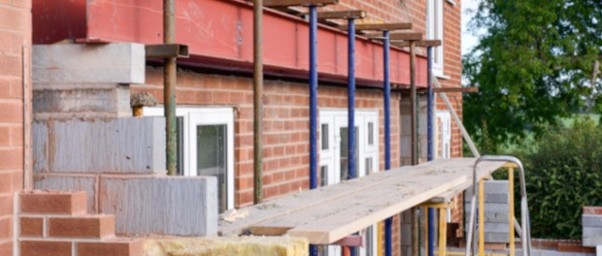
Party wall disputes are a leading cause of project delays and cost overruns on residential extensions and loft conversions. One rear extension should have run smoothly, but poor communication with an adjoining neighbour about foundation work transformed what could have been a straightforward build into a drawn-out conflict. Ten weeks of delay followed, additional surveyor costs exceeded £2,500, and builder downtime pushed the budget well beyond the original plan. The trigger was poor early communication. Yet this outcome could have been prevented simply by involving adjoining owners transparently from the start.
Why disputes happen
The Party Wall Act 1996 guidance exists to prevent disputes, not create them, but that protection only works if the process is applied transparently from the start. It applies when structural work affects shared walls (loft conversions requiring steel beams), basement excavations near boundaries, or rear extensions that disturb party structures.
Disputes rarely stem from the law itself, and far more from poor communication. In the UK, adjoining owners must receive formal notice of works, but this often represents the bare minimum rather than genuine early engagement. Neighbours who receive only formal notice, with no prior conversation, often feel blindsided and excluded from the process. Ambiguity about timelines, costs, and liability creates anxiety, and anxiety breeds resistance. As with any construction project, clear contracts and communication protocols from the outset remove inflated assumptions and concerns.
The surveyor as mediator
Party wall surveyors (RICS-regulated professionals) serve a quasi-judicial role: they’re not advocates for either party, but impartial administrators of the process. Their job is to assess what the Act requires in each case, prepare a Schedule of Condition before work begins (protecting both properties from damage claims that arose before construction), draft a Party Wall Award setting clear terms for work and liability, and act as a buffer between owner and neighbour, removing emotion from the process.
This neutrality is the hidden value. When neighbours appoint their own surveyor (at the building owner’s cost, as required by law), it signals fairness. The surveyor isn’t hired to rubber-stamp the work; they’re there to protect both sides. That distinction transforms the conversation from adversarial to collaborative.
Early engagement equals smooth execution
Early, transparent communication prevents disputes before they start. Speak to neighbours before issuing formal notice, explain the project, address concerns, and build goodwill. Serve the required one to two-month notice (depending on work type) with clear descriptions and realistic timelines. If neighbours dissent or don’t respond within 14 days under the Party Wall Act, appoint surveyors immediately. This keeps the timeline on track.
A Schedule of Condition protects against disputes further down the line, when neighbours can’t later claim damage that existed before work started. Contractors experienced in working alongside occupied properties understand what disputes actually cost. Injunctions, halted work, additional surveyor fees, and strained neighbour relationships add up quickly.
Many contractors lack a single authoritative source explaining the full party wall process. What triggers the Act? How long does it actually take? What concrete steps prevent disputes? Without these answers before work starts, projects encounter delays and budget overruns that could have been avoided. Square Point Surveyors’ party wall guide walks through each stage from initial notice through to Party Wall Award, explaining the practical decisions that keep both parties satisfied and timelines realistic. When contractors follow this guidance from the start, projects are more likely to stay on schedule, budgets hold, and neighbours cooperate rather than resist.
Getting it right from the start
A structured party wall process typically takes two to three months from notice to Award being in place. That timeline is realistic only if notice is served correctly and early, neighbours’ concerns are addressed transparently, surveyors communicate openly, and building owners pay all surveyor costs upfront rather than as dispute escalates.
Multiple trades must coordinate on any significant residential project. Loft conversions and extensions require structural engineers, builders, electricians, plumbers, and insulation specialists to work in close alignment. Party wall surveyors fit into that coordination seamlessly when appointed early and treated as partners rather than obstacles.
Real-world impact
Without proper party wall handling, project delays mount quickly. Poor process costs thousands in surveyor fees, builder downtime, and legal action. Beyond the financial impact, there are strained neighbour relations that damage future projects and property value. The Party Wall Act exists to enable development, not block it. Surveyors trained to work impartially, mean that clear communication, and early engagement transform what could be conflict into a managed process that protects all parties’ interests.
Contractors and project managers who prioritise party wall compliance early will see projects complete on time, within budget, and with neighbours satisfied rather than resentful. That’s the real value of understanding party walls.