

Creating a Home That Feels Warm Without Overusing Energy
Many households desire the same living space. They want an energy-efficient home that feels warm, settled, and comfortable in cooler weather. While utility costs stay high and people consider how their homes support daily living, the current situation is more realistic.
Heating, cooling, and renewable energy providers like GSM Ltd (gsmlimited.com) for example, help make houses more comfortable and energy-efficient. To make your home pleasant, use more than just heat or a single system. The home can maintain warmth, adjust ventilation, reduce draughts, and keep everyone comfortable, so this happens often.
Heat Retention Creates Warmth
A home feels warmer when heat is maintained. This seems obvious, yet many homes lose heat faster than they realise. Gaps, poorly insulated roofs, old windows, and rapidly losing surfaces all contribute to heat loss. To maintain a comfortable temperature, heating systems or other warming methods must work harder. The retention of heat is often more important than the output. Better heat retention makes a home more comfortable with less effort. Improving insulation, sealing holes, and monitoring airflow helps stabilise warmth and reduce maintenance costs.
Draughts and Uneven Rooms Affect Experience
Uneven comfort prevents some homes from warming. A nook may be warmer than a window or entryway. Even if it was warm throughout the day, another place may lose heat quickly at night. Consumers use heaters and manual adjustments to address these inconsistencies. Fixing draughts and temperature imbalances can improve a home’s feel. Better window sealing, curtain efficiency, ventilation, and room use eliminate cold spots. Avoid stale air and over-sealing the home. It aims to heat frequently used areas.
Materials and Layout Affect Comfort
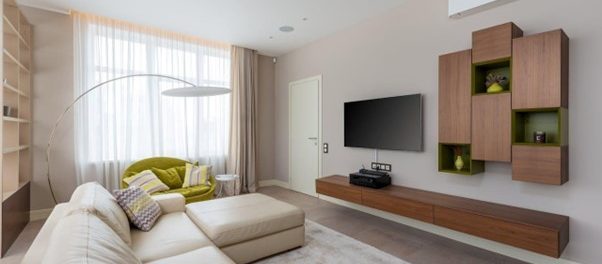
Not only do heating systems create warmth. The materials and arrangement of a home can affect comfort. Even at a comfortable temperature, hard surfaces, bare flooring, poor window treatments, and exposed sections can make a space feel colder. However, soft furnishings, carpets, layered textiles, and a superior interior arrangement can calm a room. This doesn’t mean comfort needs costly remodelling. Small changes often increase warmth. Covering exposed floors, limiting heat loss around windows, and managing rooms according to light and air can make a difference. Warmth stems from both physical and environmental factors.
Smarter Energy Use Maintains Comfort
Effective home heating requires precision. Residents should heat only the rooms they need and at comfortable hours. Waste is reduced without limiting or making the home uncomfortable. Maintenance counts. Poorly maintained systems waste energy and operate inefficiently. Well-maintained HVAC, sealing, and insulation work better. Effective homes require less energy compensation. Practicality generally improves comfort. This strategy improves household comfort and cost management. Energy use that aligns with daily patterns simplifies household management. Overall, that balance helps keep a space warmer without increasing household costs.
Better-Feeling Home
A warm house goes beyond temperature. It concerns how an area feels on a daily basis. The home is easier to live in when it retains warmth better, reduces cold spots, and consumes energy more thoughtfully. Instead of compensating for discomfort, people use the space well. A comfortable home may not use much energy. They provide warmth, assist with everyday routines, and foster calm. This comfort usually comes from higher performance, not just more consumption.
Image attributed to Pexels.com