
Comparing Warehouse Pallet Racking Systems: How to Choose the Right Pallet Racking System for Your Project
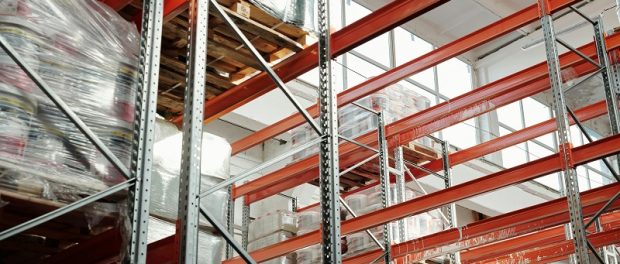
Specifying warehouse pallet racking at design stage is one of the more consequential decisions in any logistics or industrial build. The system selected influences floor slab loading, internal building geometry, fire strategy and the long-term operational performance of the asset. For developers, contractors and consultants involved in warehouse projects, the differences between pallet racking systems are rarely just cosmetic.
Each type of pallet racking has been engineered to suit a specific operational profile, and the wrong specification can lead to costly retrofits or constrained throughput once the facility is handed over. This comparison sets out the main warehouse pallet racking systems used in UK warehouses, where each performs best, and how to align the choice with the wider construction programme.
Why the choice of warehouse pallet racking matters at design stage
Pallet racking is often treated as a fit-out detail, chosen late and fitted into the space that’s left. In practice, the racking system shapes a large part of the building itself. Floor flatness, slab thickness, ceiling height and sprinkler layout all depend on the type of pallet racking installed.
Leave the decision too late and the options narrow fast. An automated pallet racking system, for example, usually needs more height and a flatter floor than a conventional layout, and these are difficult to fix once the slab is poured. Making the racking choice early protects the project’s flexibility and avoids costly compromises further down the line.
The right pallet racking also affects the long-term value of the building. Logistics tenants now judge facilities on storage density and automation readiness, not just floor area, which means the racking choice has a direct impact on rental appeal.
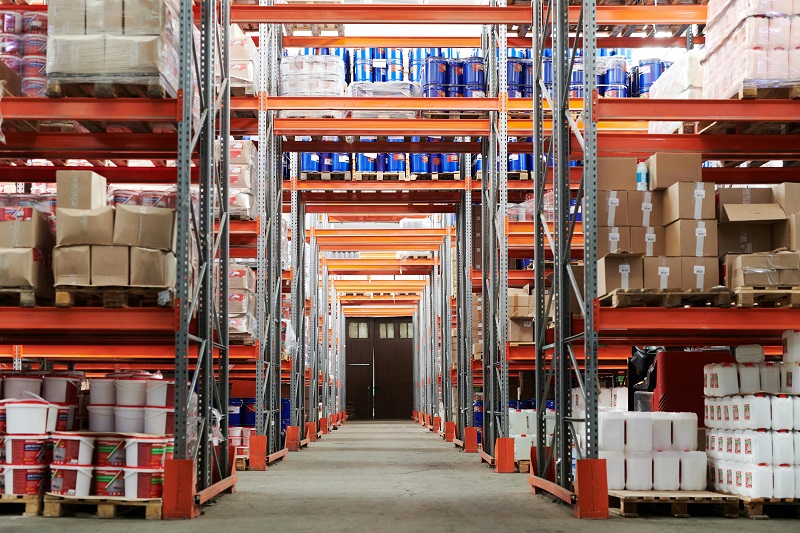
Different warehouse pallet racking systems
The pallet racking market offers several distinct system types, each engineered around a different balance of density, selectivity, cost and operational profile. The summaries below cover the systems most commonly specified in UK warehouse projects, with notes on where each performs well and the construction considerations they bring with them.
Adjustable Pallet Racking
Adjustable pallet racking, often referred to as APR, remains the most widely specified pallet racking system in UK warehouses. It uses upright frames and horizontal beams arranged in single rows separated by working aisles, giving forklift drivers direct access to every pallet position and allowing beam levels to be repositioned as SKU profiles change.
The strengths of APR are flexibility, low capital cost and ease of installation. The trade-off is that aisle space takes up a large share of the floor plate, which limits storage density. For developers building speculative warehouse space, APR is often a sensible default because it suits the widest range of potential occupiers.
Drive-In Pallet Racking
Drive-in pallet racking allows forklifts to enter the racking structure itself, depositing pallets on continuous support rails. Because aisles are largely eliminated, drive-in systems can increase storage density significantly compared with APR, sometimes by 60 per cent or more in suitable layouts. The system works on a last-in, first-out basis, which suits stock with low SKU variety and predictable rotation, with cold storage operators and beverage distributors among the typical users.
From a construction perspective, drive-in racking imposes specific demands on floor flatness and column protection, and in-rack sprinklers are often required. These factors need to be coordinated early in the design programme.
Double Deep Pallet Racking
Double deep pallet racking is a variation on APR in which pallets are stored two deep, accessed by a reach truck with an extending mast. It increases storage density compared with single-deep adjustable racking while still allowing reasonable selectivity, typically around 50 per cent.
This pallet racking system suits operations with a moderate number of SKUs and multiple pallets per line. For developers working within tight site footprints, double deep can be a useful middle ground between conventional and high-density solutions, although it does require specialist handling equipment and trained operators.
Cantilever Pallet Racking for Heavy Duty Loads
Cantilever racking is engineered for long, irregular or oversized loads that cannot sit comfortably on conventional beams. The structure consists of vertical columns with horizontal arms extending outwards, allowing items such as timber, steel sections, pipes and plasterboard to be stored without obstruction. For construction supply yards, builders’ merchants and industrial manufacturers, heavy duty cantilever is often the only viable option.
Loads can be substantial, so the racking must be specified with detailed engineering input and designed in line with SEMA guidance. When cantilever racking forms part of a wider building design, it also influences clear heights, door positions and external yard layout.
Automated Warehouse Pallet Racking
Automated warehouse pallet racking is the most advanced option in modern storage design. These systems combine high-bay racking with automated cranes, shuttles or robots to move pallets without forklift drivers, and can reach heights well beyond conventional racking, often more than 30 metres in purpose-built facilities. The operational benefits are higher throughput, better picking accuracy, lower labour costs and significantly improved storage density.
For developers, automated racking also raises the value of the building itself. Higher eaves, reinforced slabs and integrated services suit a market where automation-ready space is in short supply, which broadens occupier appeal across the lease. Automated pallet racking systems are no longer limited to large multinationals, with mid-sized operators now choosing hybrid layouts that combine automated and manual zones.
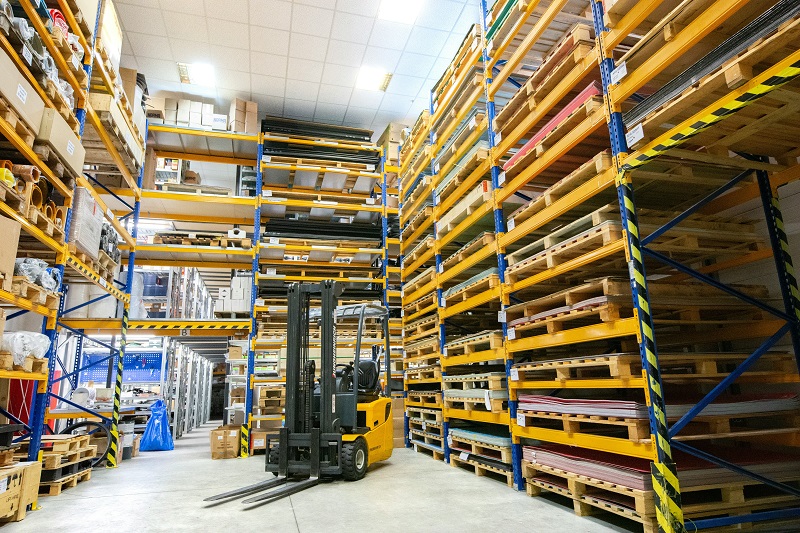
How to choose the right pallet racking system for construction projects
Choosing between pallet racking systems is a process of matching operational requirements against site constraints and capital budget. The starting point is the occupier’s SKU profile, throughput expectations and growth forecast, which determine whether density or selectivity should take priority. A facility handling thousands of low-volume SKUs has different needs from one moving a small number of products at high velocity.
Building geometry is the next consideration. Clear internal height, column grid, floor slab capacity and door positions all influence which pallet racking systems are viable. Where the design is fixed early enough, these can be optimised around the racking choice rather than the other way round. For speculative developments, designing in flexibility for automated upgrades tends to protect long-term value.
Finally, capital and operating cost must be weighed alongside compliance and maintenance. The cheapest system at install is rarely the most economical across a 20-year lease. Engaging a qualified warehouse pallet racking supplier with SEMA-aligned engineering credentials early in the project gives the best chance of arriving at a system that performs over the lifetime of the building.
Specifying the right pallet racking system for long-term performance
Warehouse pallet racking sits at the intersection of building design and operational performance. The system specified at design stage shapes how the facility runs for the next two decades, which makes the racking choice one of the higher-leverage decisions on any logistics, manufacturing or industrial project.
The strongest outcomes come from treating racking as part of early design coordination rather than a fit-out task. Whether the brief calls for conventional adjustable racking, a high-density layout or an automated pallet racking system, specifying early and engaging a supplier with the right engineering credentials gives the building the best chance of performing well across its full lease cycle.