

Why consistency matters: effectively maintaining surface conditions across multiple sites
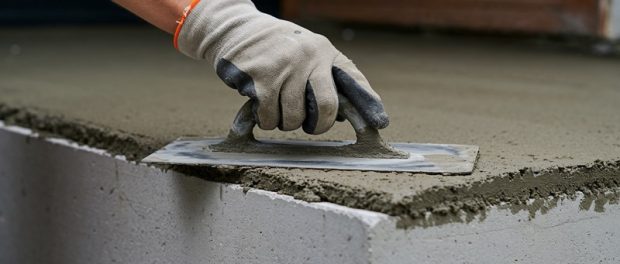
For organisations managing multiple buildings or facilities, maintaining consistent standards across sites is an ongoing challenge. While policies, procedures and compliance frameworks are often centralised, the reality on the ground can look very different.
Surface maintenance is a good example of this. From car parks and loading bays to plant rooms and internal walkways, the condition of surfaces plays a direct role in safety, operational efficiency and compliance. Yet across multiple sites managed by the same company, these areas are often tackled inconsistently, shaped by site-specific decisions and reactive repairs.
Over time, this lack of consistency can introduce unnecessary risk, cost and complexity.
How inconsistency develops
In many organisations, responsibility for day-to-day maintenance sits at site level. When issues arise such as a pothole in a service yard, worn coatings in a plant room, or faded line markings in a car park, the priority is to resolve them and keep operations running smoothly. This approach often leads to short-term, localised decisions.
Different repair materials are used across sites. Coatings are selected based on availability or familiarity rather than suitability. Line markings may vary in colour, durability or layout. Even where central guidelines exist, they are not always applied uniformly. Individually, these decisions make sense. But across multiple sites, they create variation. Over time, this can result in no two sites performing in the same way – even when they are managed under the same organisation.
Why it matters for safety and compliance
The impact of this variation is not always immediately visible, but it can have significant implications for safety, compliance and operational control.
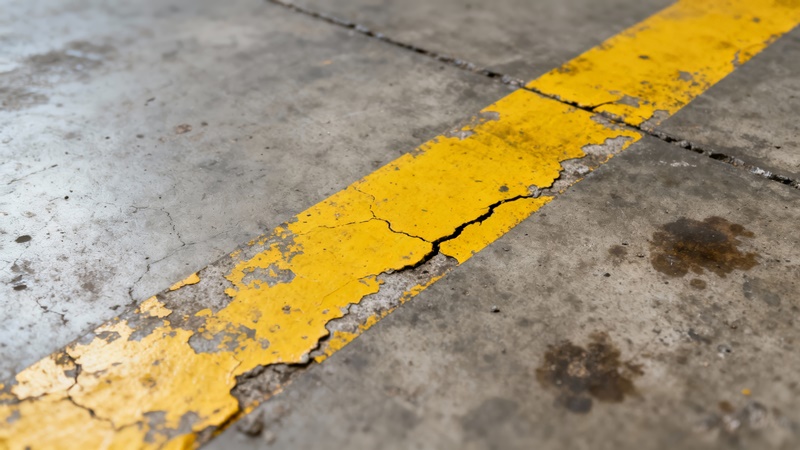
Inconsistent surface conditions can lead to inconsistent levels of slip resistance, durability and performance. A walkway that performs well on one site may present a higher risk on another. Vehicle routes may be clearly defined in one location, but less visible or worn in another.
For organisations operating across multiple sites, this creates a challenge when it comes to demonstrating compliance.
If standards differ, it becomes more difficult to show that risks are being managed consistently. This is particularly important as expectations around accountability and documentation continue to increase. Consistency is not just about appearance, it’s about ensuring that safety and performance are predictable and reliable, wherever the site.
The operational and financial impact
Beyond safety, inconsistency also affects how efficiently sites are managed. Repeated repairs are a common issue. A temporary fix carried out in one location may need to be revisited multiple times, while a more durable solution used elsewhere performs for significantly longer. Without a consistent approach, it becomes difficult to learn from these outcomes and apply best practice across all sites – reducing overall efficiency.
Procurement can also become more complex. Using multiple products and systems across different sites makes it harder to standardise ordering, manage stock and ensure compatibility. Over time, these inefficiencies can increase both cost and administrative burden.
What good looks like
Maintaining consistency does not mean applying a one-size-fits-all approach with no regard for environmental conditions. It’s about establishing clear standards for how surfaces are assessed, repaired, protected and maintained.
This might include:
- Defining minimum levels of slip resistance for different areas, measured via Pendulum Test Values (PTV)
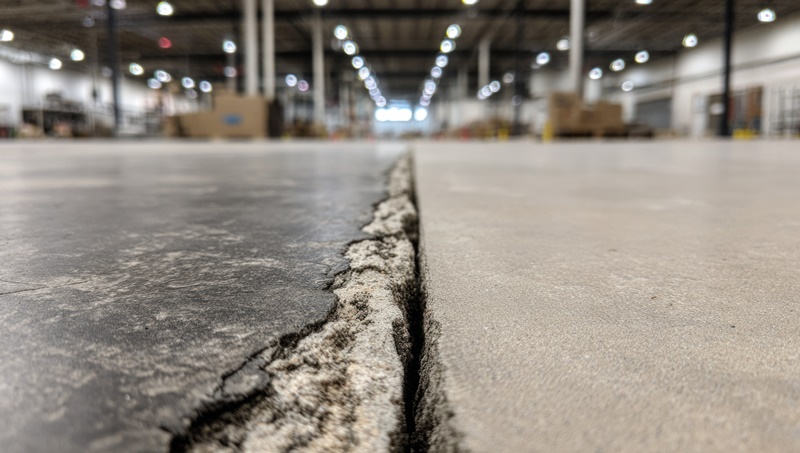
- Standardising repair approaches and materials for common issues such as cracks or potholes
- Setting clear guidelines for line marking layouts and colours
By creating a structured framework, organisations can ensure that decisions made at site level align with wider safety and operational goals.
Selecting the right solutions
One of the key areas to standardise is the selection of coating and repair materials used across sites.
A key part of achieving consistency is establishing an approved list of solutions that are proven to deliver on performance, durability and safety. This helps ensure that similar challenges are addressed in the same way, regardless of location.
For example:
- A strong, fast-curing repair solution for holes in the concrete floor: Watco Flowpatch
- A durable, easy to apply repair solution for potholes in the carpark: Watco Bitu-Mend® Pothole Repair
- An anti slip paint for internal concrete floors that keeps floors easy to clean: Watco Safety Coat
- A GRP solution to increase slip resistance for external concrete steps: Watco Firm-Step® Standard GRP Step Covers
- A protective masonry coating for areas where there is a damp problem: Watco Dampguard
Using consistent, fit-for-purpose products not only improves performance but also simplifies specification, procurement and long-term maintenance.

From reactive fixes to a consistent strategy
For many organisations, the starting point is reviewing how surface maintenance is currently managed across sites. Where are the differences? Which solutions are performing well, and which are being repeatedly revisited? Are there areas where standards are unclear or inconsistently applied?
Answering these questions can highlight opportunities to introduce greater consistency.
Over time, this shift from reactive, site-by-site fixes to a more coordinated approach can deliver significant benefits: improving safety, reducing repeat work and giving organisations greater control over risk, cost and long-term performance across all sites.
For more practical advice on surface maintenance, or to speak to a Watco expert for support, visit: www.watco.co.uk/advice/guides-resources