
Why the Construction, Infrastructure and Defence Sectors Present Ideal Employment Opportunities for Veterans Leaving The Forces
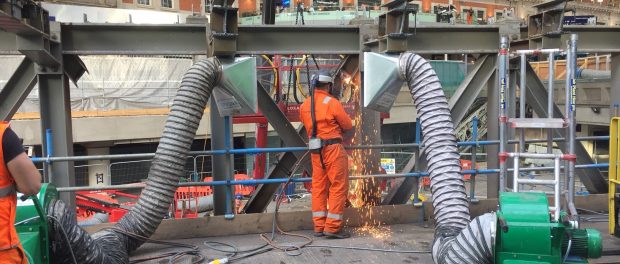
After Remembrance Day earlier this month, it’s important to recognise the veterans who have served our country and are now using the skills and experience gained during their service to build new careers in the hazard control industry, a sector in which RVT Group specialises.
The Ministry of Defence reported that 13,390 personnel left the UK Regular Armed Forces in the 12 months to 31 March 2026¹, highlighting the importance of supporting service leavers as they transition into different forms of employment. Moving from military service to civilian life can be challenging, so pursuing a career that allows veterans to apply the skills and experience gained during their service can help make the adjustment easier.
According to the MoD’s Career Transition Partnership (CTP) Annual Statistics, 86% of UK regular service leavers who accessed resettlement services are employed within six months of leaving the Armed Forces, with engineering, construction, transport, and manufacturing remaining prime destination sectors². As a specialist in these industries, RVT recognises the importance of providing veterans with opportunities to apply the skills they developed during their service, while supporting their wellbeing as they transition into civilian employment.
During their time in the Armed Forces, veterans develop a range of valuable skills that can be transferred to their new careers. The construction, infrastructure, and Defence sectors in particular offer veterans an opportunity to put these skills into practice. With problem-solving, technical expertise and a strong focus on safety all playing a valuable role in these fields, veterans can apply the knowledge and experience gained during military service to their new career. Teamwork is also essential, with 77% of individuals already in the industry identifying it as a valuable skill developed through military service³.
RVT Group is proud to employ veterans from the Royal Navy, Royal Air Force, and British Army and support their further training, as they bring valuable skills and experience to the business. These employees work across multiple RVT locations, including within its naval base support teams. Many hold engineering roles, using their technical knowledge and expertise to help deliver solutions for the Defence sector.
With over 13 years of experience, RVT Group has established itself as a trusted provider to the UK Defence sector, supporting asset production, maintenance and repair activities across air, land and marine environments.
Its temporary hire solutions, combined with its team’s specialist expertise and understanding of the unique challenges faced within the sector, enable RVT Group to provide tailored support across a range of applications. These include fume extraction for hot works, Local Exhaust Ventilation (LEV) for dust control, noise control and solutions for managing exposure during painting activities.
Research published in 2025 highlighted the importance of social networks and employer support in helping former service personnel navigate civilian working environments and maintain employment. Mentoring, clear communication and opportunities for professional development can help veterans adapt to their new roles while making the most of the skills and experience gained in their previous occupation⁴. With 34.7% of veterans stating they felt unprepared for civilian life⁵, it’s crucial that support is given to them in the workplace to help them navigate the change.
RVT Group provides comprehensive, turnkey project support, covering every stage of delivery, from initial design and consultation through to training, installation, commissioning, maintenance and dismantling.
Max Beardon, Defence Business Unit Leader at RVT Group, commented: “Here at RVT, we are passionate about supporting veterans as they transition into civilian employment. Being based in a sector which offers a range of opportunities for former service personnel, it’s important that we understand how we can support veterans in applying their skills and experience to new career paths.
“One of the organisations we are proud to support at RVT is the SSAFA Armed Forces Charity, which provides lifelong practical, emotional and financial support to serving personnel, veterans and their families, helping them navigate challenges both during and after military service. Earlier this year, we donated £2,000 to SSAFA to help fund its vital work and demonstrate our continued support for the Armed Forces community.”
“We look forward to seeing the positive impact veterans can make in the workplace, bringing their valuable skills, experience and expertise to the hazard control sector.”
To find out more about hazard prevention, visit: https://rvtgroup.co.uk/