

Why Cities May Never Outgrow Concrete
 pexels.com
Concrete has accompanied most modern city expansions. It’s under morning highways, river bridges, schools, hospitals, warehouses, transport hubs, and apartment blocks. City softening with glass, timber, parks, and public art often starts with concrete. Precast concrete suppliers like Jpconcrete.co.uk can explain why concrete is good for retaining walls, storage bays, obstacles, and heavy-duty structural work. As cities evolve, they need strong, durable materials. Concrete still best meets these needs.
Material Life in Cities
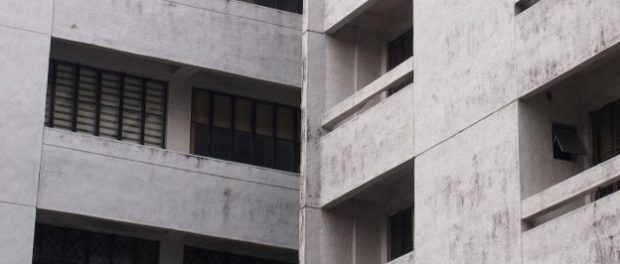
Many only notice unattractive or deteriorated concrete. A dirty wall, deteriorating pavement, or drab multi-storey car park might affect public opinion. Not all city concrete is for show. It helps daily life. Roads need solid bases. Rail needs strong platforms and tunnels. Drainage systems need strong channels and culverts. Industrial floors handle vehicles, stock, machinery, and movement. Concrete is robust, sculptable, pourable, castable, and versatile. The base can be buried or visible, depending on the project.
Why Cities Still Need Strength
Material stress is high in cities. Traffic, weather, earth movement, water pressure, and lengthy service hours test buildings. Decorative elements on opening day are not enough for a city. The materials must withstand years of impact, repairs, and changing demands. Concrete is respected for its resistance to pressure. Bridges, tunnels, ports, roadways, basements, and factories need strength. These areas need sturdy, wear-resistant structures to protect individuals and products. Concrete aids designers and contractors in the construction of costly or risky projects.
The Flexibility Many Miss
Though heavy, concrete is more flexible than most people think. It works in basic blocks, big panels, polished interiors, textured facades, curving forms, precast modules, and complicated engineering buildings. Finish, aggregate, colour, formwork, and design affect its appearance. No two cities are alike, thus flexibility is important. Housing developments, flood defence schemes, trash facilities, and public squares have varied needs. Concrete can be modified to fulfil technical needs without requiring a new building method. Its practicality explains its prevalence in both visible and underground infrastructure.
Concrete and Urban Growth Pace
Cities expand unevenly. Some areas need immediate repairs, others long-term reconstruction, and many need infrastructural updates while people live and work there. Concrete can be utilised permanently or modularly, supporting this growth. Precast concrete allows construction components to be manufactured off-site and erected as needed. In crowded areas, this can reduce interruptions, increase consistency, and advance projects. That can be beneficial in dense urban environments with limited space and time. The material’s usefulness lies in its strength and compatibility with building timelines and site constraints.
The Sustainability Issue
The high carbon emissions of cement production merit concrete criticism. The construction industry has rethought concrete manufacture, specification, reuse, and mixing. Reduce waste and environmental effects using lower-carbon mixes, recycled aggregates, design efficiency, longer-lasting components, and careful maintenance. City concretisation is unlikely to reduce waste. Smarter use may influence the future. A decades-old structure may be more responsible than a lighter one that requires replacing. Sustainability should consider a structure’s full lifespan, not simply its material.
City’s Quiet Constant
Cities use concrete because it works, not because it’s romantic. Transport, housing, storage, safety, water management, public services, and industry all need support. Plain or expressive, hidden or disclosed, temporary or permanent. To handle expansion, climate change, housing demand, and infrastructure strain, cities need real assets. Concrete works are adaptable and proven. Cities change shape, skyline, and agenda, but their substance stays.