

Planning Floor Layouts That Withstand Heavy Foot Traffic in Commercial Fit-Outs
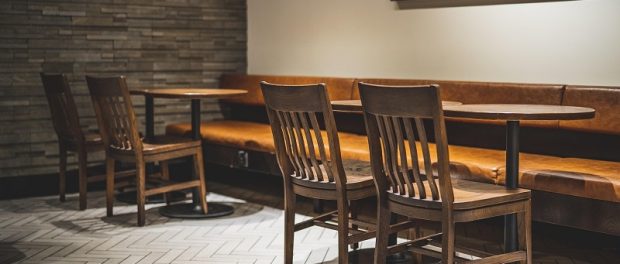
Commercial spaces with heavy foot traffic require flooring that balances durability with design. Herringbone patterns have become a practical choice for retail units, office lobbies, and hospitality venues across Manchester, where daily footfall can be very high. Poor subfloor preparation, incorrect material specification, or the wrong pattern orientation can all lead to premature wear and costly repairs. Getting these decisions right from the start makes the difference between a floor that lasts and one that fails.
Choose the Right Materials to Meet Performance Requirements for High-Traffic Commercial Floors
Getting material selection right from the outset is one of the most important decisions in any commercial fit-out. The wrong specification can lead to premature wear, costly replacements, and compliance failures. Understanding wear classifications and fire safety requirements before ordering protects the project on every level.
Understand Wear Classifications Before Specifying
Flooring in commercial environments must meet set wear classifications before specification starts. The EN 685 standard details use classes from Class 21 for light domestic traffic through to Class 34 and 43 for heavy or industrial loads. For retail units and hospitality venues, specifying at least Class 33 remains important. These locations deal with sustained daily footfall, which directly affects how quickly the floor might show wear.
Choosing the right class protects against early surface dulling, visible compression marks, or pattern loss. Higher grades mean the material and wear layer have been tested under repeated stress to prove their durability. Project managers benefit from consulting supplier data sheets for EN 685 class ratings before ordering. Those looking to find herringbone flooring in Manchester at Urmston Carpets will find an established source of commercial-grade options with knowledgeable staff who can guide specification decisions.
Compare Material Types for Their Specific Strengths
Luxury vinyl tile resists scratching and moisture, supporting a longer lifespan and easier upkeep. Engineered wood floors provide impact resistance but require diligent moisture management to remain stable. Carpet tiles offer effective sound absorption and reduced slip risk. Service areas with the highest levels of use might need more frequent replacement.
Check Fire Safety Certification for Every Component
Fire safety certification is essential, assessed under BS EN 13501-1. Floor finishes range from A1 for non-combustible options down through the scale. Corridors and escape routes must achieve at least a Cfl-s1 rating for fire performance. Installations require full supporting documentation for all components, including the floor covering, adhesive, and underlay.
Plan Pattern Orientation Strategically to Reduce Wear in High-Traffic Zones
How a herringbone pattern is oriented across a space has a direct bearing on how evenly foot traffic is distributed and how long the floor retains its appearance. This stage of planning rewards careful observation and preparation before a single piece is laid.
Map Traffic Routes Before Setting Out the Layout
Floor layout planning takes a targeted approach to analysing movement patterns. Before marking out any lines or choosing an orientation, an installer should observe the site during typical operating hours. Use masking tape or temporary markers to map these dominant routes on the subfloor. This step makes hidden traffic zones visible and identifies where the pressure will concentrate.
Angle the Pattern Across Main Walkways
Where possible, plan for herringbone or chevron patterns to cross these main pathways at an angle. This limits the risk of joints opening or showing excessive wear. In a Manchester high street shop, orienting the herringbone at forty-five degrees to the main walkway helped the fitting team distribute pressure evenly. Review supplier layout diagrams, as many provide guidance on optimal pattern orientation for demanding spaces.
Dry Lay First and Plan Transitions Carefully
Always perform a dry lay with a few boards or tiles before fixing them permanently. This step exposes issues with layout or pattern alignment that might otherwise cause later problems. Transitional areas between different flooring products require careful attention. UK accessibility requirements specify thresholds that do not form trip hazards. Installers use smooth, sloped edging strips to provide a safe transition and support sturdy, long-lasting edges.
Prepare the Subfloor Properly to Protect Against Moisture Damage and Movement
The condition of the subfloor determines how well a finished herringbone installation performs over time. Even the highest-quality flooring product will fail prematurely if the surface beneath it is uneven, damp, or poorly prepared. Two areas demand particular attention: flatness tolerance and moisture control.
Meet Flatness Tolerances for the Specified Product
Subfloor quality influences both the appearance and lifespan of a patterned floor. Installing herringbone flooring calls for a substrate that stays extremely flat. Most commercial LVT and timber floors allow a five-millimetre deviation over a two-metre span, noted as SR2. High-end systems may require only a three-millimetre tolerance, noted as SR1.
Install Vapour Barriers Where Moisture Readings Are High
Strict moisture control in subfloors is necessary. Measurements exceeding recommended relative humidity levels can result in adhesive failure and movement in the floor covering. Where concrete bases show high residual moisture, installation of a vapour-resistant membrane is required. Skipping this process is a common cause of early floor problems in commercial settings.
Follow Correct Installation Methods and Quality Control to Ensure a Lasting Finish
Even well-specified materials can underperform if the installation technique is inconsistent. In commercial settings where floors face constant pressure from footfall, trolleys, and cleaning machinery, the method of fixing and the precision of the pattern both matter enormously.
Use Full-Surface Adhesive in Demanding Areas
Full-surface adhesive application is the main technique for securing herringbone floors in demanding commercial environments. This method keeps tiles or planks firmly in place, even when exposed to rolling loads or frequent cleaning. While click-together systems may be used in certain areas, only permanent adhesive bonds provide the needed hold for areas subject to constant use.
Work from the Centre Outward for Pattern Consistency
Proper alignment of the pattern starts with identifying the exact centre of a room and working outward on both sides. This ensures finished edges avoid weak, narrow strips and maintains steady pattern continuity up to the skirting. Since herringbone and diagonally laid floors generate more offcuts compared with linear layouts, extra material should be factored into order quantities for a smooth installation process.
Allow Acclimatisation and Carry Out a Structured Final Check
Allowing installation materials, such as wood or LVT, to adjust to the ambient indoor temperature and humidity for a period before installation helps prevent shrinking or warping afterward. After the installation, a structured inspection should check for straight pattern alignment, strong edge adhesion, and a consistent run across the full layout. Prompt corrections can be made without added disruption.
Build a Maintenance Plan from Day One to Extend Floor Performance and Preserve Warranty
Long-term performance is rarely down to the floor alone. How a commercial space manages dirt ingress, cleaning routines, and surface protection plays an equally important role in how long the installation looks and functions at its best. Setting these plans in place before the floor opens to use is always the right approach.
Specify the Right Wear Layer Thickness for Heavy Use
Lasting results are closely tied to the floor’s surface layer. For commercial LVT, a wear layer measuring between 0.55 and 0.7 millimetres is suitable for heavy use. This simplifies cleaning and extends the time between refinishing. Protective coatings decrease the chance of scratches and allow easy upkeep over the product’s life.
Invest in Entrance Matting to Limit Debris and Moisture
Effective entrance matting solutions are necessary for reducing dirt and moisture ingress. Many professional standards suggest that matting should extend a sufficient distance from main entrances in commercial buildings. Sufficient matting limits debris build-up and moisture carried onto decorative floors, playing a key role in preserving the usable lifespan.
In Short
Herringbone flooring remains a favoured choice in Manchester’s commercial interiors due to its strength, visual appeal, and suitability for high-traffic areas. Achieving results depends on thoughtful planning for movement patterns, a consistent focus on material and installation standards, and maintenance routines set up from the outset. Comprehensive attention across subfloor checks, material planning, and consistent care helps commercial floors provide dependable performance year after year.