

From Handover To Reality: How Surfaces Perform Once Buildings Are In Use
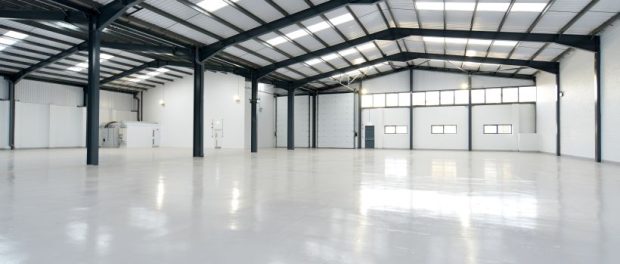
When a building is handed over, it is often considered complete. Floors are freshly coated, line markings are clearly defined, and external areas appear clean, level and ready for use. But it is only once a facility becomes operational that surfaces begin to experience the conditions they were designed for, and in some cases, conditions they weren’t.
From loading bays and car parks to plant rooms and internal walkways, the first few months of use reveal how a building’s surfaces truly perform.
What changes once a building is in use.
During the design and construction phase, surfaces are specified based on expected usage. Traffic routes are planned, loads are estimated, and environmental exposure is anticipated. However, once the building is occupied, actual behaviour shapes how surfaces are used in practice.
Vehicle routes may shift to accommodate operational efficiency. Pedestrian walkways can evolve as teams take the most direct path between areas. Loading zones may experience higher impact than originally expected, while some areas see far less use than planned.
As operations develop, surfaces are subjected to repeated stress in ways that were not always accounted for at specification stage.
The early signals most teams miss.
Surface deterioration does not usually begin with obvious failure. Instead, it develops gradually through small, often overlooked changes.
A slightly polished section of floor can indicate repeated footfall or vehicle movement. Localised wear around joints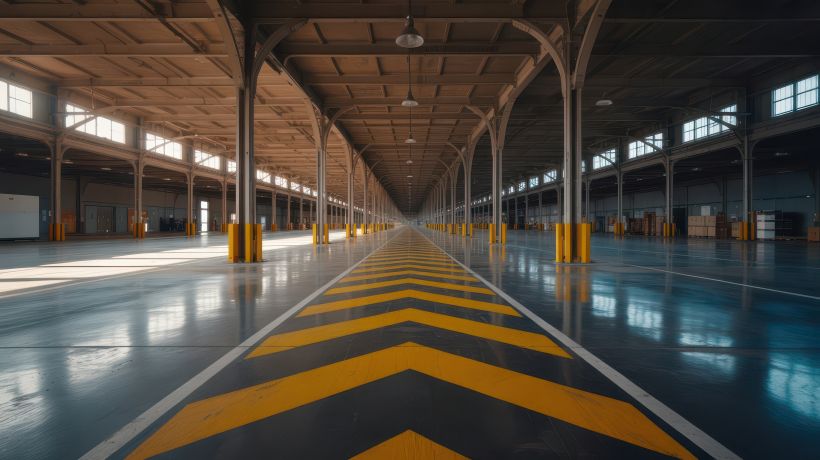 or edges may suggest turning points or concentrated loading. Faded line markings can point to areas where traffic is heavier than anticipated or where site layouts have evolved over time.
These are not immediate failures, but they are valuable signals. They show how the building is functioning in practice, not just how it was intended to function. If left unchecked, these areas are often where defects develop first, leading to more disruptive repairs later. Facilities teams that recognise these early indicators are in a stronger position to act before surface damage becomes a complex repair, incurring costs and downtime.
The gap between design and reality.
Even with careful planning, there is often a disconnect between how a facility is designed and how it operates day to day.
A loading bay designed for moderate use may become a high-traffic bottleneck. External walkways may be exposed to more moisture or contamination than expected. Internal floors may encounter different chemicals, cleaning regimes or traffic patterns than originally specified.
Over time, this gap can lead to accelerated wear, reduced slip resistance and an increased need for reactive maintenance.
The challenge for facilities managers is not to eliminate this gap, but to respond to it effectively.
Why early intervention matters.
Left unaddressed, small areas of wear can quickly develop into more disruptive problems. Surface damage in external areas such as car parks or service yards can lead to uneven surfaces, trip hazards and vehicle wear. Internally, worn coatings or reduced traction can increase the risk of slips, particularly in areas exposed to moisture or contamination.
More significantly, reactive repairs often require sections of a site to be taken out of use, affecting access routes, delivery schedules and overall operational efficiency.
 By contrast, targeted early intervention allows maintenance to be carried out quickly, often with minimal disruption.
Adapting surfaces to real-world use.
As patterns of use become clear, surfaces can be adapted to better suit the demands placed on them.
In high-traffic or impact-prone areas, durable repair materials such as epoxy repair mortars can be used to reinstate damaged concrete and prevent further deterioration. For example, products like Watco Concrex® Carbon Fibre provide a long-lasting solution for repairing worn or damaged areas subject to heavy use.
Where slip resistance has reduced over time, applying anti slip coatings such as Watco Safety Coat can help restore traction on internal surfaces, improving safety without the need for full replacement.
Line markings can also be refreshed using specialist products such as Watco Heavy Duty Anti Slip Traffic Paint, ensuring that pedestrian and vehicle routes remain clearly defined as site layouts evolve outside. Selecting solutions that match how each area is used helps reduce repeat repairs and ensures surfaces perform consistently under pressure.
Rethinking what “finished” really means.
A building may be complete at handover, but its surfaces are only just beginning their lifecycle.
As soon as people, vehicles and processes are introduced, those surfaces start to respond, revealing where pressure is highest, where risks are developing and where improvements can be made.
For facilities managers, the opportunity lies in recognising these signals early and adapting accordingly. Because in practice, long-term performance is not defined at handover, it is shaped by how surfaces are maintained, monitored and managed every day.
For more practical advice on maintaining and adapting facility surfaces, visit:
www.watco.co.uk/help-advice/guides-resources