

Concrete under pressure: why industrial floors fail and how to prevent it
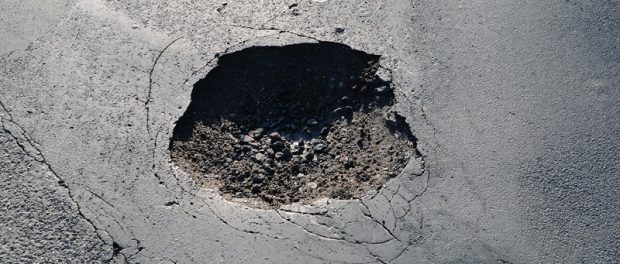
Industrial floors are often the hardest-working surfaces in any logistics or manufacturing environment. From supporting heavy machinery and storage systems to carrying constant forklift traffic, they are subjected to a level of pressure that few other building elements experience. Yet despite this, floors are sometimes treated as a secondary consideration during design, specification and construction.
When problems do arise, they can be expensive. Cracking, spalling, surface dusting and worn coatings not only affect the appearance of a floor but can quickly escalate into safety risks and operational disruption. Understanding why these failures occur and how to prevent them is therefore essential for contractors, specifiers and facilities teams alike.
The hidden pressures on industrial floors
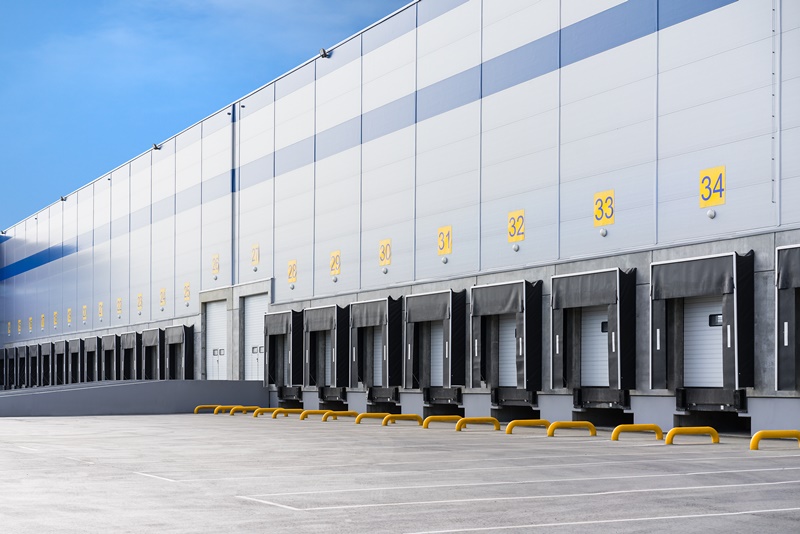
Industrial concrete surfaces are exposed to a combination of mechanical, chemical and environmental factors. Heavy vehicle traffic, pallet movements and constant loading all place strain on the concrete floor. Over time, repeated impact and abrasion can weaken the surface, particularly in areas such as turning points, loading bays and access routes.
Moisture is another major factor. Water can penetrate cracks and joints in the concrete, especially where protective coatings have worn away. In colder environments, freeze–thaw cycles may cause expansion within the substrate, gradually widening small areas of surface damage and increasing the rate of deterioration.
Chemical exposure also plays a role. In warehouses, workshops and manufacturing facilities, floors are often exposed to oils, fuels, cleaning agents and other chemicals that can degrade unprotected concrete surfaces. Without adequate protection, the surface layer can begin to soften or break down, leading to loose material and the need for repair.
Early signs of floor failure
Small cracks are often the first sign that a floor is under stress. While these may initially appear cosmetic, they can allow moisture and contaminants to penetrate deeper into the substrate. If left untreated, these cracks can widen and develop into larger structural defects, leading to more costly repairs later.
Surface dusting is another common issue. This occurs when the top layer of concrete begins to break down, producing fine powder that can contaminate products, affect equipment performance and create additional cleaning demands.
In high-traffic areas, polished or worn surfaces may also develop as the original texture of the floor gradually disappears. While this may seem minor, smoother surfaces can significantly reduce slip resistance and increase the likelihood of accidents.
Recognising these early indicators allows building teams to intervene before problems become more complex and expensive to repair.
The importance of protective systems
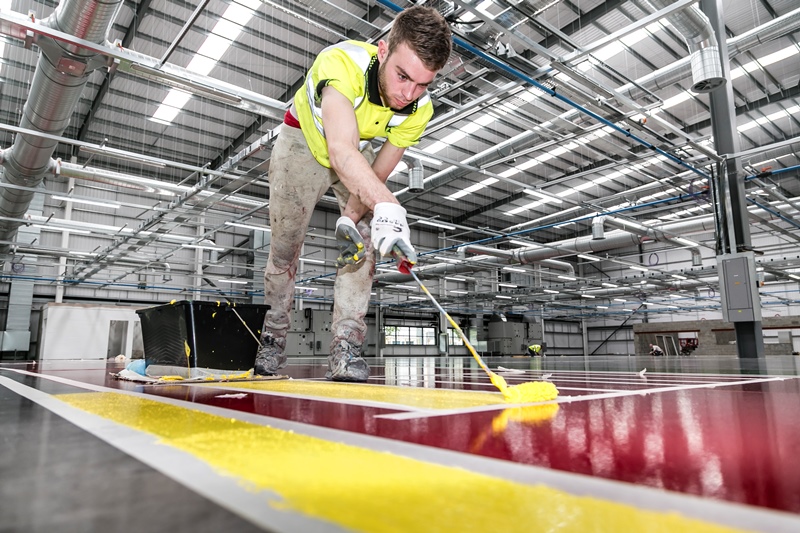
One of the most effective ways to make an industrial floor more durable is to add a protective layer designed to withstand the pressures it faces every day. Specialist coatings and repair products are designed to reinforce the concrete surface, creating a barrier against abrasion, chemicals and moisture.
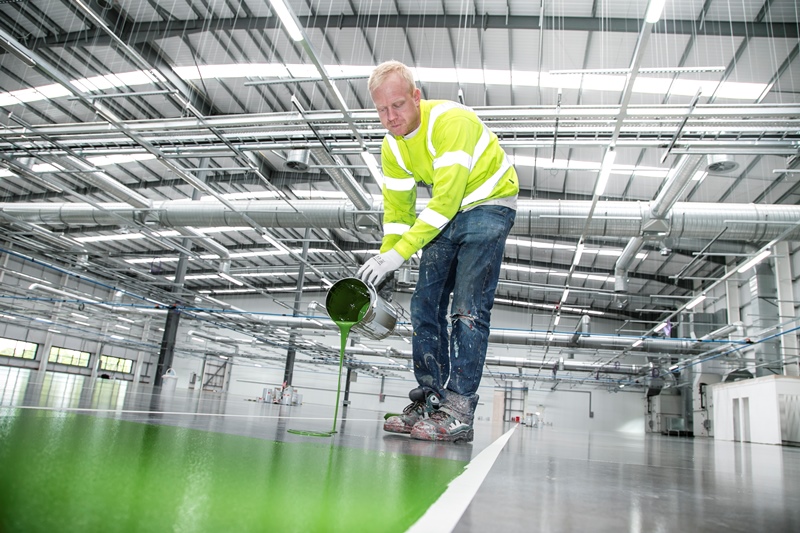
In areas where damage has already occurred, Watco’s Concrex® Carbon Fibre Epoxy Repair Mortar restores structural integrity and offers a 20 year guarantee against impact and abrasion failure, ensuring the floor can withstand continued traffic. When used alongside protective coatings like Watco’s Epoxicote High Build they allow existing floors to be refurbished rather than replaced, reducing both disruption and cost. The coating is available in 190 RAL colours so FMs can match existing branding in addition to improving zoning and safety markings.
Designing for long-term performance
Preventing floor failure is not only about selecting the right products. It also requires a broader approach to design and maintenance.
Understanding how a facility will operate is key. Traffic patterns, vehicle loads and environmental conditions should all influence flooring specifications during the construction phase. Areas expected to experience higher impact or heavier traffic may benefit from protective coatings.
Regular inspections also play an important role. By monitoring wear patterns, building managers can identify high-risk zones where damage is likely to develop and act proactively to prevent floor failure.
Floors as critical infrastructure
Floors support every movement across the facility. When surfaces become damaged, the impact can extend far beyond the floor itself – affecting productivity, safety and operational efficiency.
By recognising the pressures placed on industrial floors and investing in appropriate protection and maintenance strategies, construction professionals can ensure that they continue to perform long after the building is handed over.
For more information on the factors to consider when assessing floor performance, visit: https://www.watco.co.uk/advice/guides-resources